January 23, 2026
ChatGPT Translate vs. Google Translate
In 2026, the debate isn't about whether AI can translate – it’s about which AI you should trust.
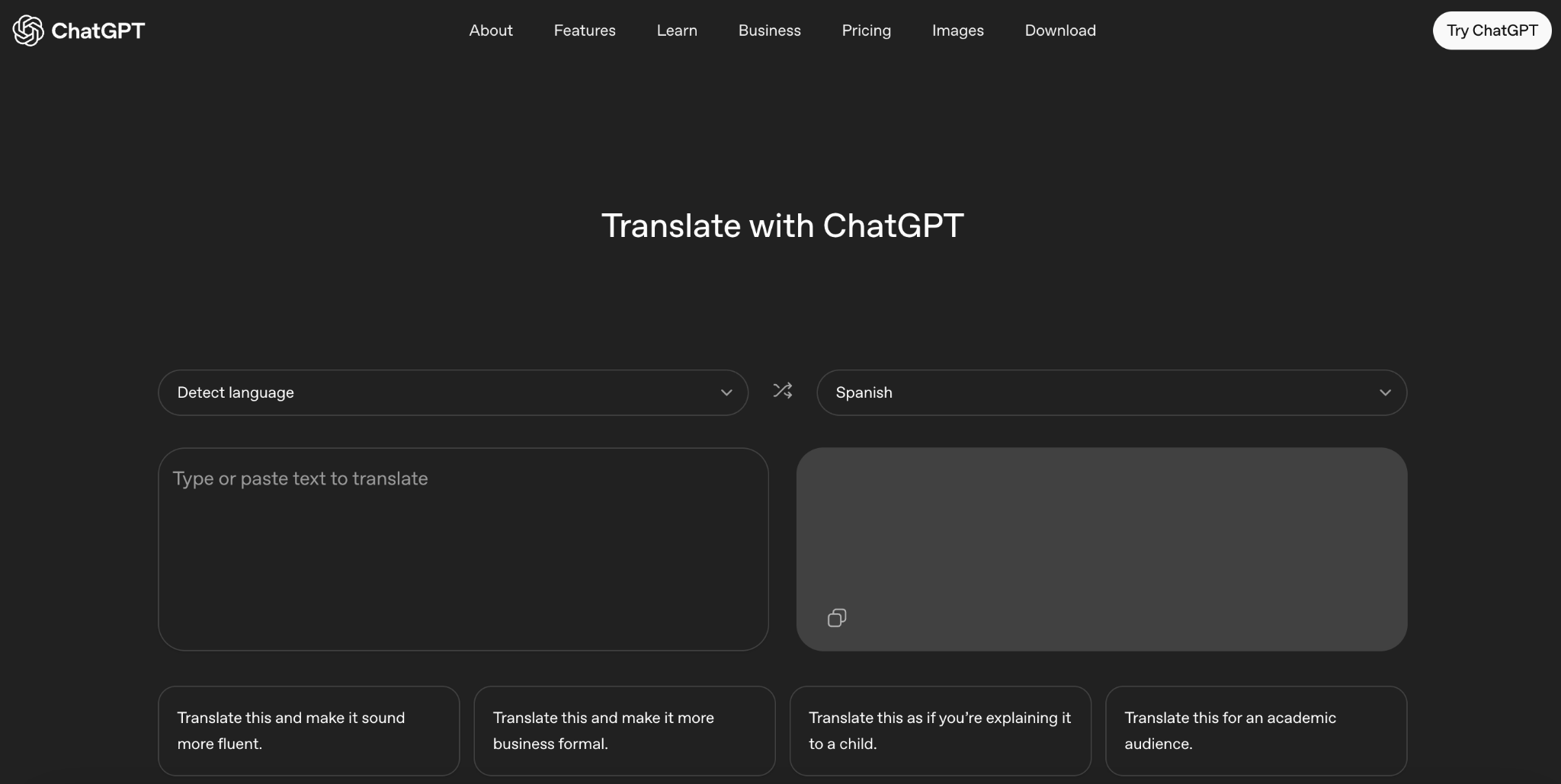
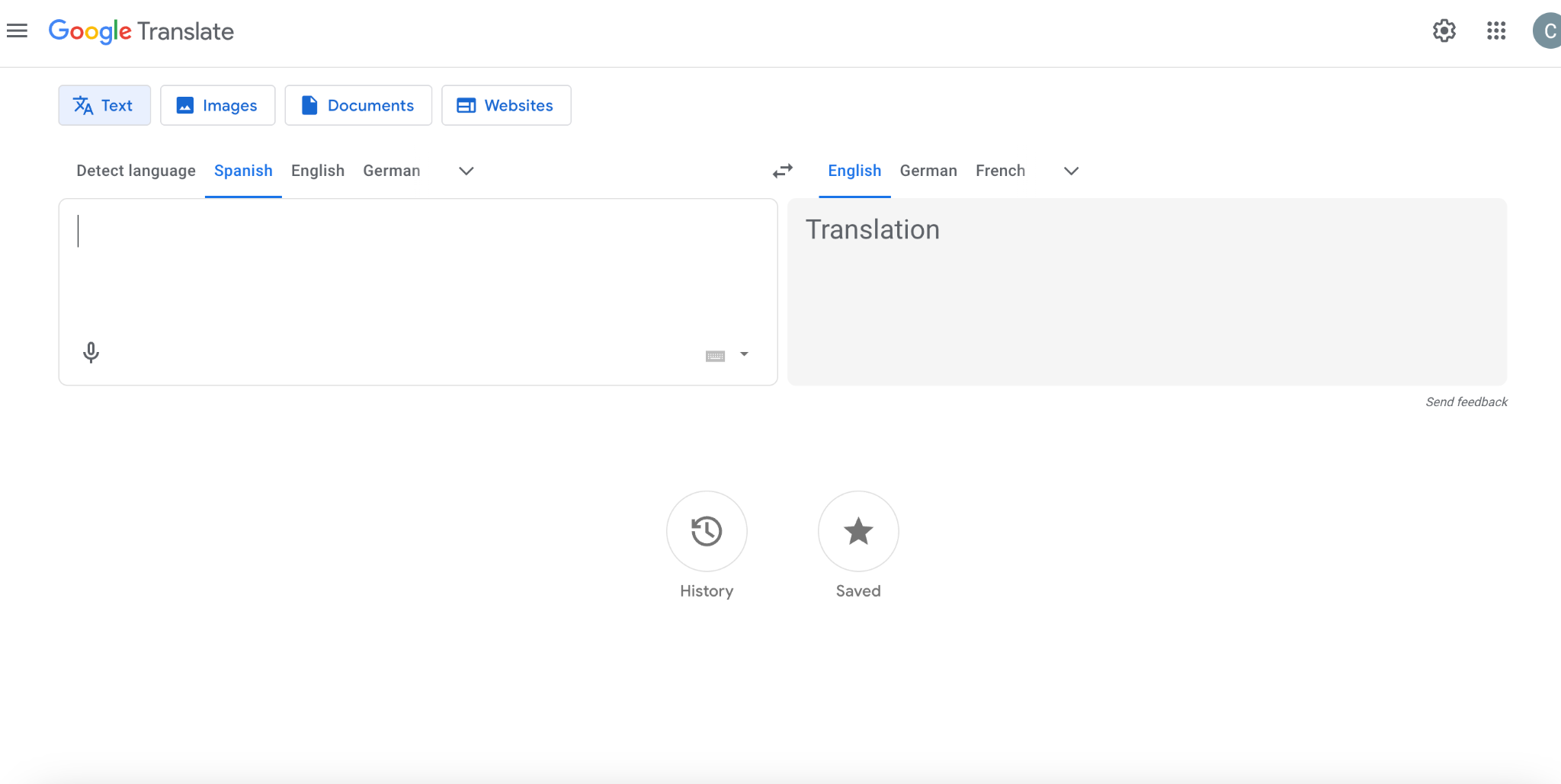
On one side, we have Google Translate, the veteran utility that powers the internet. On the other hand, ChatGPT Translate, the generative challenger that claims to understand culture, not just words.
But for business leaders, the question isn't "Which one is cooler?" It is "Which one will not embarrass us?"
If you choose Google, you risk sounding like a robot. If you choose ChatGPT, you risk a "hallucination" – a confident lie.
There is a third path. A path that doesn't force you to gamble. But first, let’s look at why the two giants are struggling to win the trust war.
Quick verdict: Who wins among the top AI translation tools?
If you are in a rush, here is the reality of the landscape in 2026.
Feature | ChatGPT Translate | Google Translate | MachineTranslation.com |
Core Philosophy | Fluency: "Make it sound human." | Utility: "Make it understandable." | Agreement: "Make it verified." |
Best For | Creative marketing, emails, slang. | Quick definitions, travel, websites. | Business-critical documents. |
Major Risk | Hallucinations: Inventing facts. | Context Blindness: Missing the point. | Zero: Mitigated by consensus. |
Privacy | Varies by tier (Data often used for training). | Data used for training (Free version). | Enterprise Secure Mode. |
Who understands "human" better between ChatGPT Translate and Google Translate?
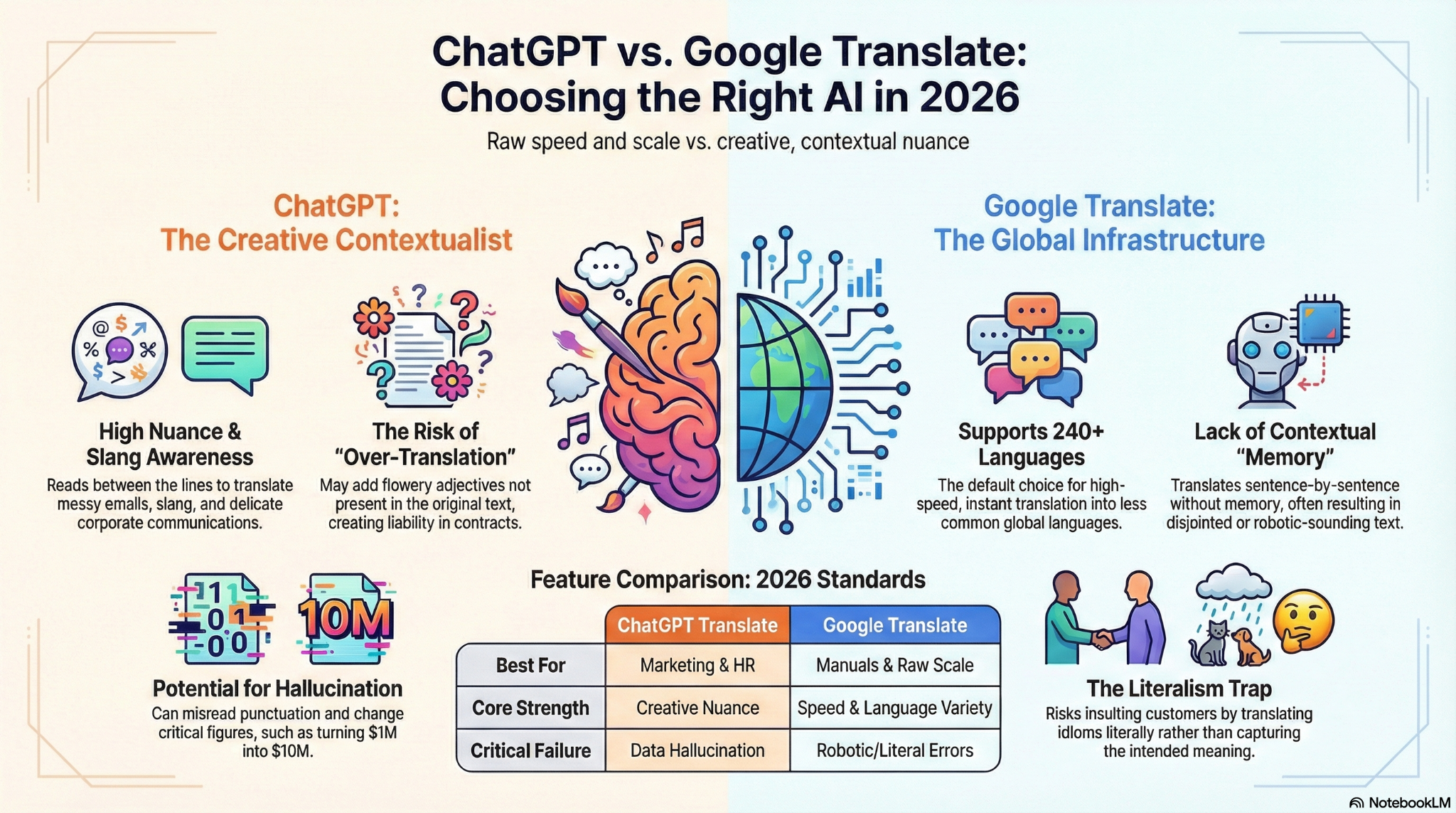
ChatGPT Translate has changed the game because it treats translation as a creative act, not a math problem.
The Pro:
If you feed ChatGPT a messy, slang-filled email, it will "read between the lines." It understands that "Let's circle back" means "Let's talk later," not "Let's walk in a circle." For marketing copy or delicate HR communications, it is miles ahead of Google.
The Con:
It loves to show off. Sometimes, ChatGPT will "over-translate," adding flowery adjectives that weren't in the original text. In a legal contract, that extra creativity is a liability.
Who is faster and more reliable between ChatGPT Translate and Google Translate?
Google Translate is still the infrastructure of the web. It is built for raw speed and scale.
The Pro:
It supports over 240 languages (far more than ChatGPT's core competencies). If you need to translate a user manual into Khmer or Hausa instantly, Google is still the default.
The Con:
It has no "memory." Google translates sentence #50 without remembering what you wrote in sentence #1. This leads to disjointed, robotic text that feels "translated."
What are the risks of using ChatGPT Translate and Google Translate?
Here is the dilemma for every business in 2026:
The ChatGPT Risk: You translate a financial report. ChatGPT hallucinates a number, changing "$1 million" to "$10 million" because it misread a comma. It sounds perfect, so you don't catch it.
The Google Risk: You translate a slogan. Google misses the idiom and translates it literally, accidentally insulting your customer.
Relying on a single model (no matter how advanced) is essentially gambling. You are betting your reputation that this specific AI won't have a bad day.
Why does "agreement among many" matter more than models?
The smartest companies in 2026 aren't asking "Which AI is best?" They are recognizing that truth lies in agreement.
If ChatGPT, Google, and DeepL all translate a sentence the same way, that translation is virtually guaranteed to be correct. If they disagree, that is where the risk lies.
This concept – Smart AI – is what drives MachineTranslation.com.
How does Smart or "voting across models" work?
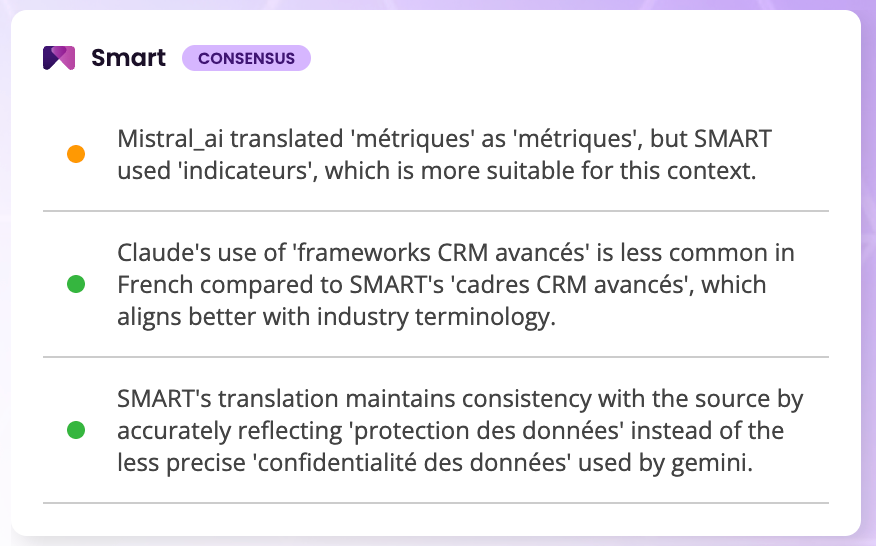
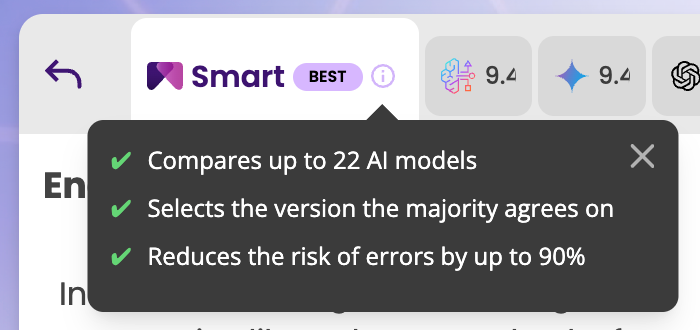
Instead of forcing you to pick a single AI, MachineTranslation.com uses Smart AI to help you get a single best translation verified by multiple AIs.
It aggregates: Your text or document is processed by up to 22 AI models (including ChatGPT and Google) simultaneously.
It votes: The system compares every output to see which translation most of the AI models agree on.
It validates: It automatically selects the translation voted #1 by the majority of the AI models.
The Result:
Internal tests in MachineTranslation.com show that this consensus approach reduces critical "hallucinations" and “translation errors” by up to 90%. It gives you the creativity of ChatGPT and the reliability of Google, cross-checked by 20 other AI models – all in one platform and click.
Conclusion
The era of relying on a single AI "black box" is over.
Use ChatGPT Translate when you need to write a charming email to a colleague.
Use Google Translate when you need to read a restaurant menu in Tokyo.
Use MachineTranslation.com when accuracy allows for zero margin of error.
By delivering the translation voted #1 by the majority of AI models, MachineTranslation.com offers something neither Google nor ChatGPT can provide on their own: Certainty.
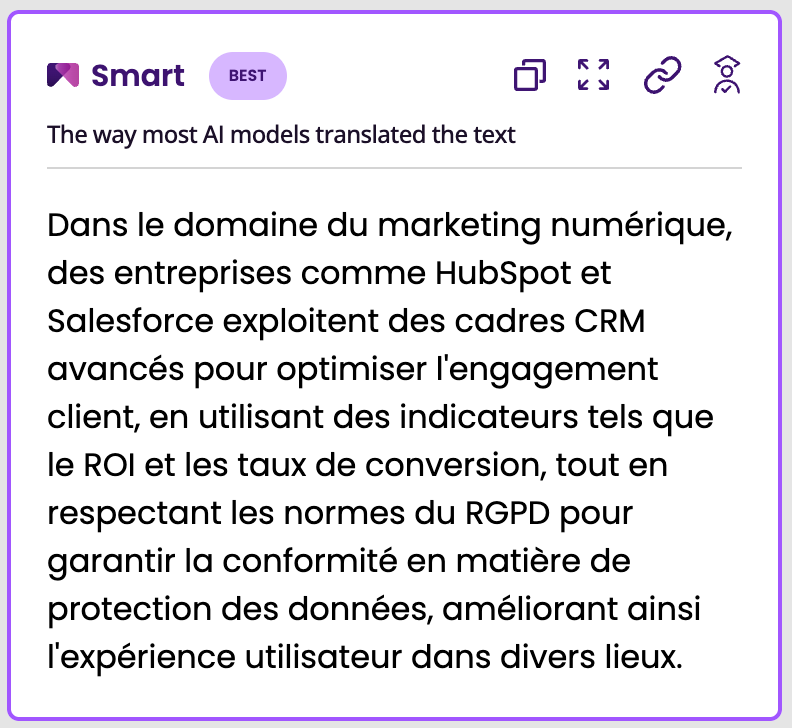
Don't risk your translations. Check your translation against 22 models for free and see where the AIs agree.
FAQs
1. Is ChatGPT Translate accurate enough for business?
For casual communication, yes. But for legal or technical documents, ChatGPT's tendency to "hallucinate" (invent facts) makes it risky to use as a standalone tool without human verification.
2. Why is consensus better than just using Google Translate?
Google Translate makes "context errors" (missing the meaning). By using consensus (comparing Google with ChatGPT, DeepL, etc.), you catch those errors because it is highly unlikely that 22 different models will make the exact same mistake.
3. Can ChatGPT translate PDF files?
ChatGPT can read PDFs, but it often destroys the formatting (tables, fonts, images). MachineTranslation.com specializes in "layout preservation," ensuring your translated PDF looks identical to the original.
4. Is my data safe with free translation tools?
Generally, no. Free versions of Google and ChatGPT often use your data to train their models. Enterprise solutions like MachineTranslation.com offer "Secure Mode", ensuring your data is secure.